Fall Is In the Air

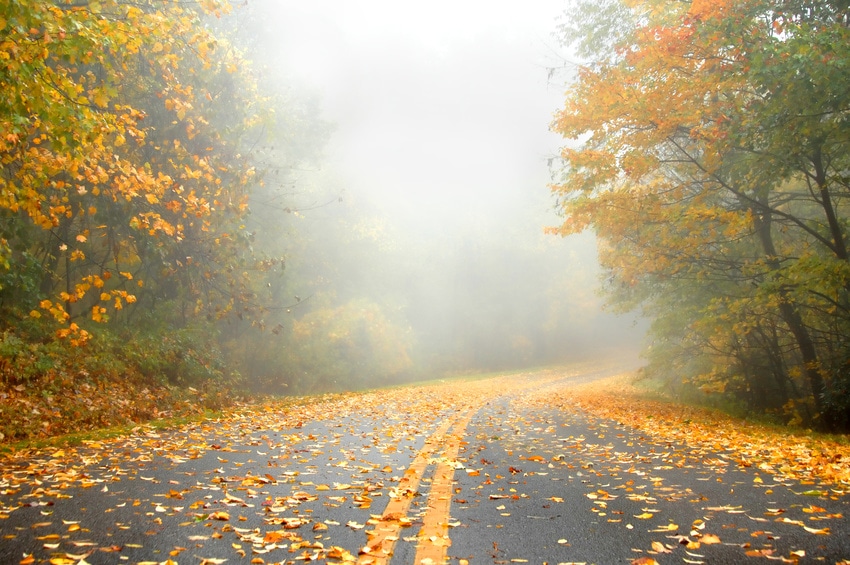
Fall is in the air! That means pumpkin spice lattes and cozy sweaters, but it also means fall related incidents. As the seasons change so do the claims we see in insurance. There are eight main incident increases during the fall months.

Animal Collisions – Most wildlife related accidents occur between October and December. As wildlife moves into more urban areas your chances of encountering one has increased. Always wear your seatbelt and be vigilant.

Rear-end collisions – While weather conditions and visibility worsen so do rear-end collisions. Make sure to leave plenty of room between yourself and the car in front of you and be mindful of anyone behind you. Stay alert and put away all distractions.

Parking lot claims – With holidays quickly approaching there are more people packed into busy parking lots for holiday shopping. This means more chances of damage from loose shopping carts, tight parking spaces, and even car thefts. Try and park away from other vehicles and park in well-lit areas.

Snow and ice – During the colder months the roads become much more dangerous. In freezing conditions the roads become slippery, and cars tend to slide. Make sure your tires are ready for the colder months and that your windshield wipers are viable.

Auto thefts/ car break-ins – During the holiday season vehicular theft and auto break-ins rise. Make sure not to leave packages or gifts in your car and always keep receipts in case those items are stolen. Always roll up your windows and lock the doors when you’re away from your vehicle.

Home thefts – Autos are not the only thing being targeted during the colder months. Your home is at risk as well. Keeping your lights on or on a timer and using a motion detector helps deter would be robbers. Do not post on social media when you will be away and make sure to store valuables in a safe.

Fire and smoke – Colder weather means fires in the fireplace to keep warm and candles to cozy up the home. However, this can lead to house fires and smoke damage. Always ensure that your chimney is clear of debris, open the flu before using the fireplace, and don’t leave candles unoccupied.

Water damage and freezing claims – Colder weather can lead to frozen pipes! This leads to pipes bursting and damaging your home. Make sure during the freezing months to turn off your main water valve if leaving for a few days.

While fall is a wonderful time of year it has many hazards you may face. Make sure that you, your home, and your auto are all protected. Reach out to your insurance agent to see if these perils are covered on your policy. Don’t have a policy, give us a call and we would be happy to get you a quote!

Vehicular Theft – Top 5 States

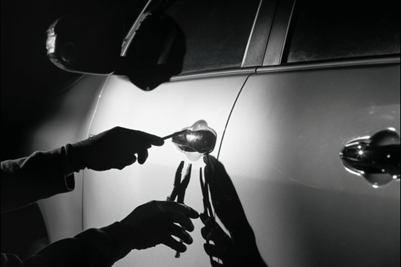
Something we never want happening is walking out to our car only to find that it’s been stolen. Were your personal belongings in that vehicle, anything of sentimental value? Now its gone and you have the unfortunate chore of filing a police report, contacting your insurance provider and hoping you have coverage for theft!

Unfortunately, car theft is an ever-increasing issue in the United States. On average 2,385 vehicles are stolen per day. The five states with the highest volume of vehicle theft are Colorado, California, Illinois, Florida, and Texas accounting for 44% of all vehicle theft in the nation. It is important to always lock your doors, store valuables and personal items outside of the car, and always keep your keys on you.

How can you make sure you’re protected?

Make sure your auto policy has comprehensive coverage in addition to collision coverage. This will cover you for losses resulting from:

  • Fire
  • Theft
  • Malicious mischief
  • Vandalism
  • Falling objects
  • Riots
  • Storms
  • Earthquakes
  • Floods
  • Collision with a bird or animal
  • Glass losses

In a horrible situation you don’t want it to be made worse by finding out you are not insured. If you are unsure what auto coverage you currently have make sure you to call your insurance provider!

How A Cyber Liability Policy Can Protect You and Your Business

It seems that nowadays every time you check the news something major has happened relating to cybercrimes. This year alone we have experienced a multitude of hacks, such as that of T-Mobile in February, the Facebook data breach in April, and the recent breach of Robinhood a few weeks ago. With all these major cyberattacks going on, it looks like even the largest of companies can easily fall prey to hackers.

According to data published by Cybersecurity-magazine, approximately 43% of all data breaches occur in medium or small-sized businesses. Furthermore, a survey by CISCO, a technology company based in Silicon Valley, found that 40% of businesses that had experienced a cyberattack experienced a minimum of 8 hours of downtime. Despite this, data shows that 91% of small and medium businesses have not protected themselves through the purchase of a cyber liability insurance policy, and 52% of small and medium businesses do not have a cybersecurity expert in-house.

What Are The Most Common Types of Cyberattacks?

Below we will explore the most common types of ransomware attacks, how they can affect your business, and how a Cyber Liability policy can help protect you.

Virus

A computer virus is a type of malware that inserts itself into other programs in order to replicate itself. The goal of these viruses is to spread from computer to computer and to "infect" as many as possible. These viruses can spread through computer networks or malicious links.

Trojan

A Trojan is a type of malware that misleads users of its true intent. The Trojan malware disguises itself as a harmless program and is a fake version of an application. It could also be malware that comes attached to an application, resulting in one's computer being breached.

Ransomware

Ransomware is a type of malware that enters one's computer system and encrypts all the information and then asks the user for a payment in return for the information.

Spyware

Spyware is a type of malware that installs itself in one's computer and monitors one's actions and information. These programs can record one's personal information and send them to other parties very efficiently.

Phishing

Phishing is a type of scam where deceptive messages are sent (usually pretending to be official messages from a large organization). These deceptive messages often contain some type of malware, such as those previously mentioned.

How Can A Cyber Liability Policy Protect You?

A Cyber Liability policy can protect you in many ways. The policy can cover the costs of notifying customers that there has been a data breach, which is oftentimes mandatory. Coverage within the policy can also cover the years of surveillance and monitoring services that are needed by the affected customers. A cybersecurity policy can help cover the costs related to legal issues resulting from the data breach, such as legal fees and fines. The insurance policy can also help cover the costs related to investigating, analyzing, and fixing the issue that resulted in the security flaw. Also, the policy can help cover the revenue that was lost during the time that the cyber attack shut down a business’ operations.

If you would like to know more about a cyber liability policy, the different types, and how to obtain one, click here!

sources

How an Umbrella Policy Offers Increased Protection

Personal Umbrella Policy

If you’ve never heard of an Umbrella Policy we wouldn’t be surprised. Umbrella Policies, also known as Personal Liability Umbrella Insurance are some of the most under-utilized insurance policies on the market. Although not standalone policies, an umbrella policy is a great tool to have in your family’s financial arsenal.

What is a Personal Umbrella Policy?

A Personal Umbrella Policy is an overarching policy that provides extra liability coverage above and beyond what liability is already paid from an underlying policy (home, auto, boat, etc.) Liability is when you are responsible for injuring or damaging another person or their property. These policies are one of the safest (and most affordable!) ways to protect your family’s assets and financial future from a large unforeseen accident cause by your or a member of your household. Below we will look at some hypothetical situations in which a personal umbrella policy could help provide financial protection.

Hypothetical 1

You forget to turn your stove off in your apartment and you head to the store. When you come back you realize that the smoke from the burning food caused the building sprinklers to activate and ruin your neighbor’s expensive art collection.

How an umbrella policy would help: The liability coverage on your renter’s policy may not be able to cover all of the damages, however the higher limits of an umbrella policy could help you pay for the extra amount once your renter’s policy has paid to its maximum liability limit.

Hypothetical 2

You have a BBQ at your house but leave the garden hose out across the patio. Your friend trips over the garden hose, falls, and breaks her hip. Your homeowner’s policy will not cover all the medical bills, loss of income, and pain & suffering to your friend.

How an umbrella policy would help: The amount your friend is owed is more than what is covered on your standard homeowner’s policy, however, the higher limits of an umbrella policy could cover the extra costs.

Hypothetical 3

Your teenage son is learning how to drive and accidentally rear ends a vintage Ferrari. The cost of replacement parts and repairs may be above the limits of your current auto policy.

How an umbrella policy would help: The higher limits of your umbrella policy could cover the costs of repairs.

What Could You Lose in a Lawsuit?

Lawsuits are very common nowadays, with an estimated 40 million lawsuits being filed every single year according to Forbes Magazine. Lawsuits can come with a lot of expenses, including legal fees for both those who sue and those being sued, as well as the cost of a judgement, which could result in a significant payout.

Over the last decade, payout amounts have been steadily increasing, especially those that are the result of a judgement related to Vehicle Liability or Premises Liability. The table below shows the average liability claims payout per year from 2015 through 2018.

Assets Exposed Table

Year of Award Average Vehicle Liability Award Average Premises Liability Award
2008 $263,017 $777,583
2010 $193,928 $570,248
2012 $293,117 $426,861
2014 $444,020 $475,861
2016 $722,614 $660,819
2018 $864,019 $803,003

This information can also be seen in the graph below, which shows the average judgement amounts for Vehicle Liability in Orange and Premises Liability in Blue.

What is Vehicle Liability?

Vehicle Liability is the legal responsibility you hold when owning and driving a vehicle. It is what holds you accountable in the event of an accident that you may cause.

What is Premises Liability?

Premises Liability is the legal responsibility that you have regarding accidents and injuries that take place on your land and/or premises.

The trends above show that payments resulting from lawsuits have increased in the past, and evidence indicates that they will continue to increase.

If you are sued and are facing a judgement, you will have to pay an amount of money that is decided by the court. This money can come from different sources, and each state has different guidelines for what can be seized by the court and what is exempt from seizure. The blurbs below apply to California Law.

How Insurance Can help you protect your Assets

One of the best methods to prevent a judgement in which your assets are liquidated in order to satisfy a judgement is to purchase an umbrella policy. An umbrella policy is an insurance policy that expands protection for one’s current policies. umbrella policies can be purchased personally or for one’s business, and are usually on the affordable side of insurance.

An example of an umbrella policy in action could occur after a vehicular accident. If your Auto Insurance Policy has a limit of $100,000 for medical costs, but the medical costs add up to more than $100,000, you might get sued for the rest of the money. An umbrella policy could prevent this from happening by raising the limits of your overall coverage, and it could also cover legal fees and judgement costs in the event of a lawsuit.

Everyone’s needs are different, which is why at the Archer Insurance Agency we make customized insurance plans for each of our clients. If you have any questions about insurance or are interested in an umbrella policy reach out to us via phone or email or click the links below!

The Importance of a Homeowners Insurance Policy

Numbers don’t lie, and when reviewing the data on Homeowners Insurance policy claims, one can easily recognize the importance of having a policy. With the price of homes steadily on the rise and an active presence of natural disasters, a homeowners insurance policy is critical to help shield your family from financial ruin.

As of 2021, the national average homeowners policy premium is $1,309 per year, or $109 per month.  In the State of California, the average annual premium is around $1,104, and $1,200 or more in and around major cities.

CityAverage Annual Premium
Los Angeles$1,240
San Francisco$1,149
Sacramento$1,558
San Diego$926
Oakland$1,021
Sources Linked Below

Despite not being legally required, homeowners policies are some of the most common policies with around 95% of U.S. homeowners having a policy. These policies are popular for two major reasons: lender requirement and personal financial need. Firstly, many lending associations (such as mortgage companies, banks, etc.) require an insurance policy to protect their investment. Secondly, many homeowners want to protect what is often their family’s largest investment when or if a disaster strikes. Recent data shows that homeowners are increasingly taking more actions to protect their homes, and with due reason. Claims for natural disasters, such as fire, wind, hail, and lightning damage have been on the rise.

Cause of Property Loss2014 Percentages2015 Percentages2016 Percentages2017 Percentages2018 Percentages
Wind & Hail28.8%21.1%32.8%41.7%34.4%
Fire & lightning24.6%22.2%25.9%32.8%32.7%
Sources Linked Below

Nowadays, depending on the coverage you purchase, homeowners policies can also include protection for your personal property in a storage facility, specialty items/collections, personal injury for libel/slander/defamation of character, and liability for you and your household if one causes bodily harm or property damage to another. It is a common misconception that a homeowners policy covers everyone the same.  This is far from the truth because everyone, every house, and every insured’s priorities are very different.  If you would like to know more about homeowner’s policies or receive a homeowners policy quote specific to your needs and priorities, you can reach out to us via phone or email. Or Click Here to get a quote!

Sources

New Flood Insurance Trends in California

FLOOD INSURANCE INDUSTRY UPDATE

A flood can be a devastating natural disaster. These events cause approximately $1 Billion worth of damage every year in the Western United States alone. Fortunately, an industry-wide realization is on the way, and many insurance companies are increasing their flood protection offerings in states such as California. Due to this change, you may no longer have to go to third party companies for your flood insurance coverage.

Estimates made by the University of California San Diego show that floods have caused over $51 billion in damages to the Western United States in the last 40 years. These floods are the result of a natural phenomenon called an “Atmospheric River”, which consist of moisture from the equator travelling like a corridor through the atmosphere to other parts of the globe.

Major insurance carriers in California are beginning to offer flood-related services. These services are also offered in other US States, such as Florida, New Jersey, and Virginia, and will be expanded to more than 10 other states. This move is a big step forward for the insurance industry, and it shows that the industry recognizes the needs of clients and is moving rapidly to adapt to new climate situations.


Protecting your valuables and jewelry with insurance

Often overlooked, protecting your valuable items with insurance is a powerful tool to have in your insurance arsenal. Whether it’s an engagement ring or a family heirloom, these special pieces must be insured to their value, which often is not covered on a standard homeowner’s policy .

Commonly referred to as “Jewelry Insurance” or “Valuable Possessions Insurance”, Scheduled Personal Property Insurance allows you name the item you want insured, have it insured to its appraised or purchased value, and protect yourself from a major financial loss. These special items could range from important pieces of jewelry such as engagement rings, to valuable paintings, and the antique vase your Great-Aunt Clara gifted to you.

One common question that customers have is about the valuable items protection that is included in their homeowner’s policy. Although homeowner’s policies usually come with coverage for valuable items, the policy limits are relatively low per item and for the maximum payout in a single loss. To add more coverage, a customer is recommended to obtain a Scheduled Policy.

Scheduled policies are usually flexible and allow for you to individually insure each piece. These policies also provide protection for a wide range of loss and are not just limited to fire, theft, wind, and water damage that are covered on a standard homeowner’s policy.  A scheduled policy can also cover mysterious disappearance and accidental losses, such as forgetting your valuables in a hotel room drawer in Thailand or having your diamond necklace fall off in the lake while waterskiing.

Scheduled policies are also highly customizable, and allow customers to include a list of items that they would like to have insured, including but not limited to:

  • Rings, watches, bracelets, necklaces, etc.
  • Paintings
  • Collectible items
  • Vintage Items
  • Family Heirlooms
  • one-of-a-kind pieces

If you have questions about these two options or about insuring your valuables, reach out to us via phone or email!

Source.

Major Insurance Providers take a New Initiative to Prevent Wildfire Damage

We all know the devastation caused in people’s lives as the result of a raging wildfire. In states such as California, this unfortunate natural disaster happens far too often. However, the insurance industry has begun to recognize the importance of taking proactive measures for defending properties against wildfire destruction. This shift in approach can be seen by announcements on the part of major providers notifying their customers of new services that are being offered in relation to homeowner’s policies. With this new focus on fire damage prevention and mitigation, the insurance industry is looking to significantly reduce the physical and financial devastation caused by wildfires.

The services offered by these companies range by provider and policy type, however, the following are examples of what some providers will begin to offer their customers here in California. If you would like to know more about these services, or if you are interested in purchasing them, reach out to us via phone or email and one of our experienced agents will help you with any questions.

SERVICES

The services that are being offered by these companies come in two major flavors, the first of which is physical, and the second is logistical services.

NOTE: The services vary by policies and providers.

Physical Services

Removal of pine needles from your roof: This service includes the removal of highly flammable materials, such as pine needles, from the roof of your property.

Exposed vent closure: This service consists of the closure of all the building’s exposed vents and ventilation structures in order to prevent fire-starting embers from entering a structure.

Combustible removal: This service consists of physical removal of flammable materials, such as furniture and debris, from the perimeter and surrounding area of a property.

Sprinkler system set-up: This service includes the set-up of a temporary sprinkler system as well as the removal once the threat has passed.

Active fire/smoldering ember extinguishing: This service includes active extinguishing by company personnel at the property’s physical location.

Fire-resistant gel application to your home: This service includes the application of of a non-toxic, Class A fire-retardant gel to a structure with the purpose of creating a fire-resistant layer of protection.

Logistical Services

Fire surveillance and monitoring: This includes surveilling local fires and monitoring for new risks in the areas around a policyholder’s property.

Location-based risk assessment: This consists of assessing the risk of one’s property in terms of the location and surrounding are of said property.

Home-based risk assessment: This consists of assessing the risk of one’s property in terms of the building’s characteristics and construction materials.

Monitoring of hotspots: This consists of the constant monitoring of areas that are known to be fire-prone, such as dry areas and fields.